
NEWS
Korean Artist Lee Seung-chul upends traditional paper with contemporary interpretations in Hanji: Embracing Color
- Post DateAug 13, 2026
- attached file
CONTACT
Jungwon Lee, Curator, (202) 587-6156, jardin@mofa.or.kr
Adam Wojciechowicz, (202) 587-6168, awoj@koreaembassy.org
Korean Artist Lee Seung-chul upends traditional paper with contemporary interpretations in Hanji: Embracing Color
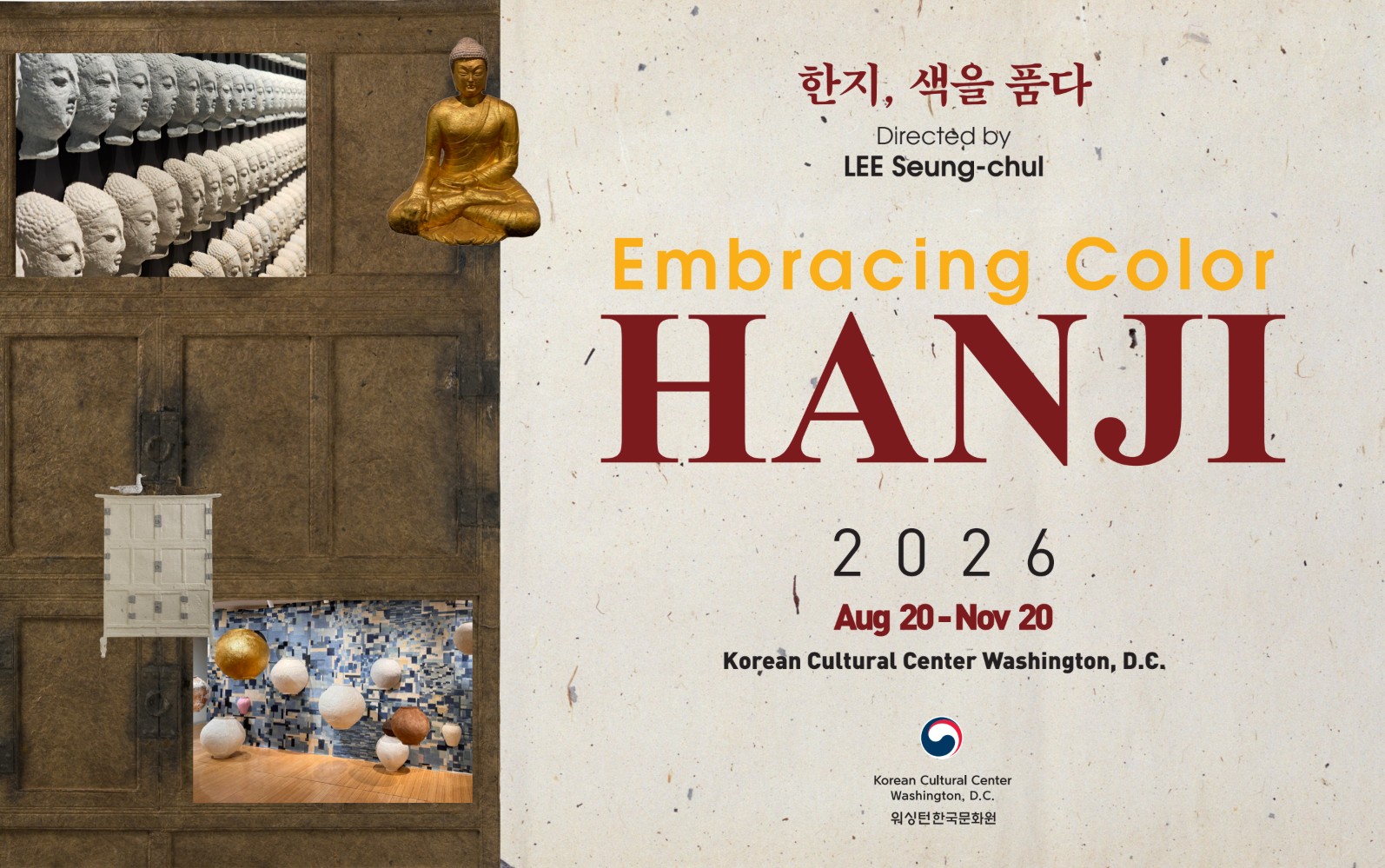
WHAT: Exhibition of hanji paper sculpture, installation, and historical artifact art
WHO: Lee Seung-chul
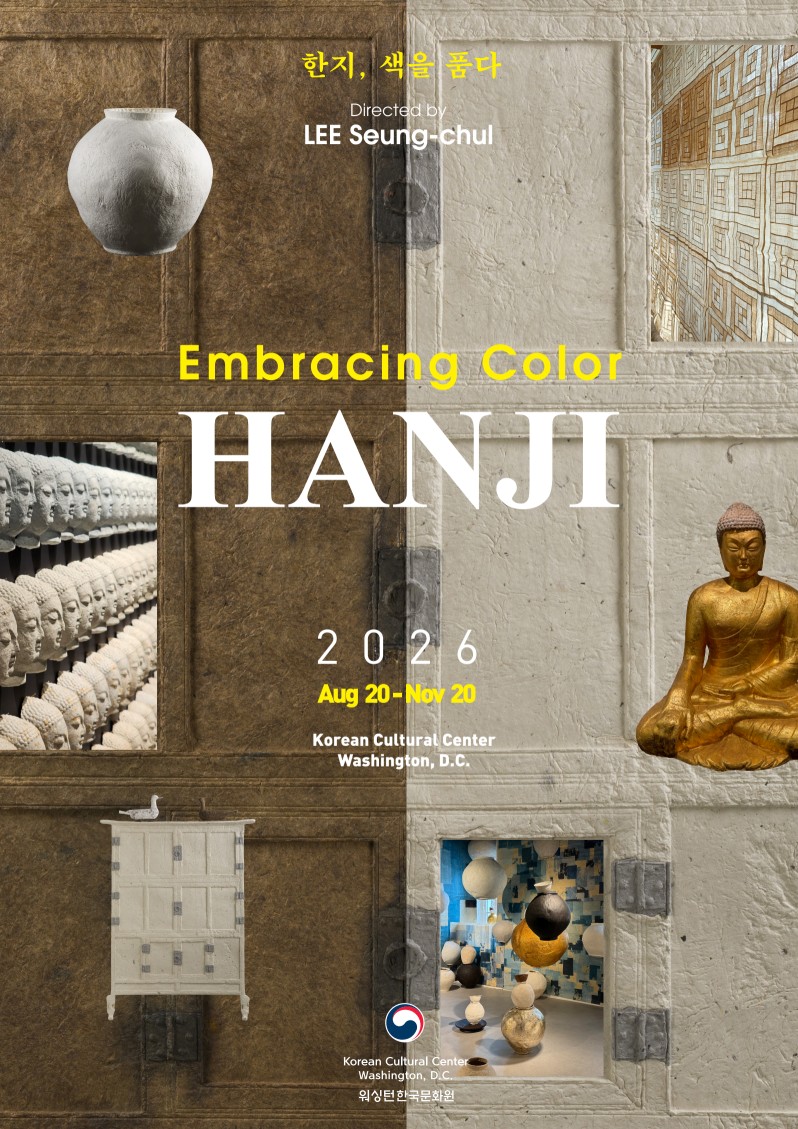
WHEN: Exhibition Dates: August 20 – November 20, 2026 | Pre-Opening Reception: Wednesday, August 19, 6:00 – 8:00 p.m.
WHERE: Korean Cultural Center Washington, D.C. (2370 Massachusetts Ave. NW)
MORE: Details at http://washingtondc.korean-culture.org
The Korean Cultural Center Washington, D.C. (KCCDC) proudly presents Hanji: Embracing Color, a new exhibition of works by artist Lee Seung-chul that explores the chromatic and sculptural possibilities of hanji, traditional Korean paper, while also tracing its deep cultural roots as a hand-made medium for both craft and communication.
On view August 20 through November 20 with a public pre-opening reception on Wednesday, August 19, the exhibition presents a dizzying array of hanji (한지)-based artworks characterized by their tactile physicality, sculptural presence, and vibrant, nature-derived colors.
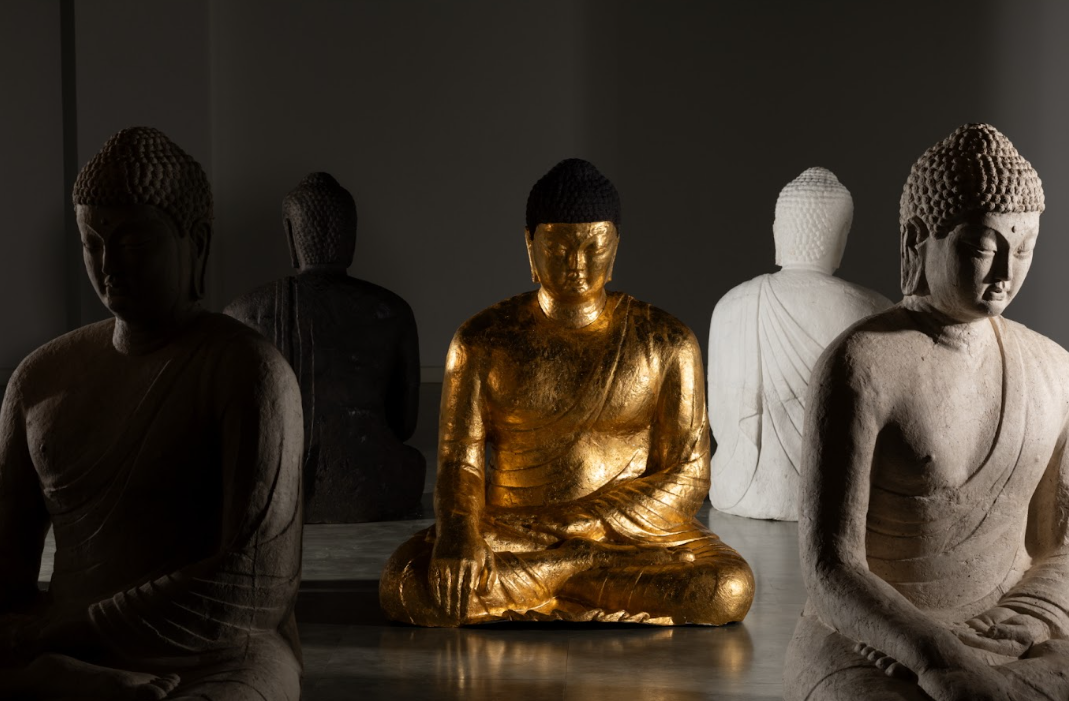
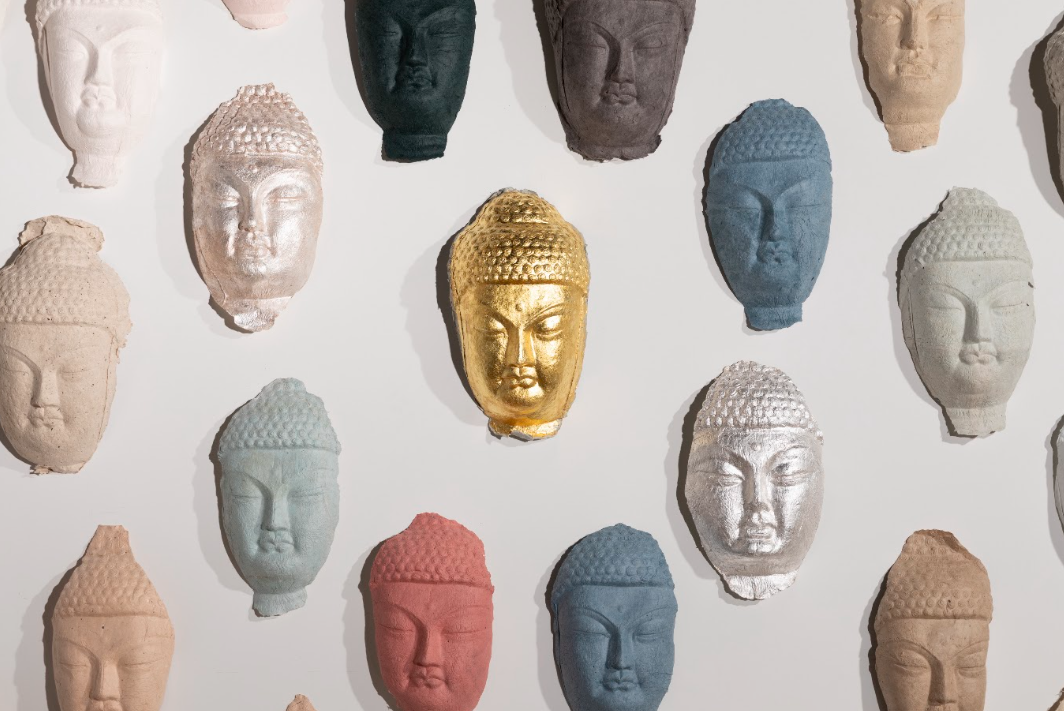
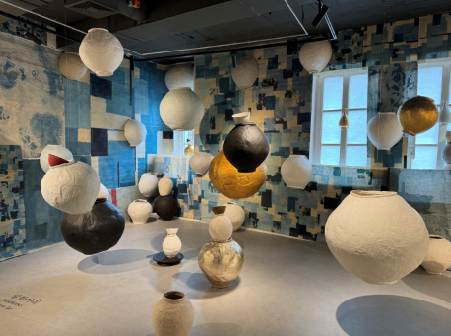
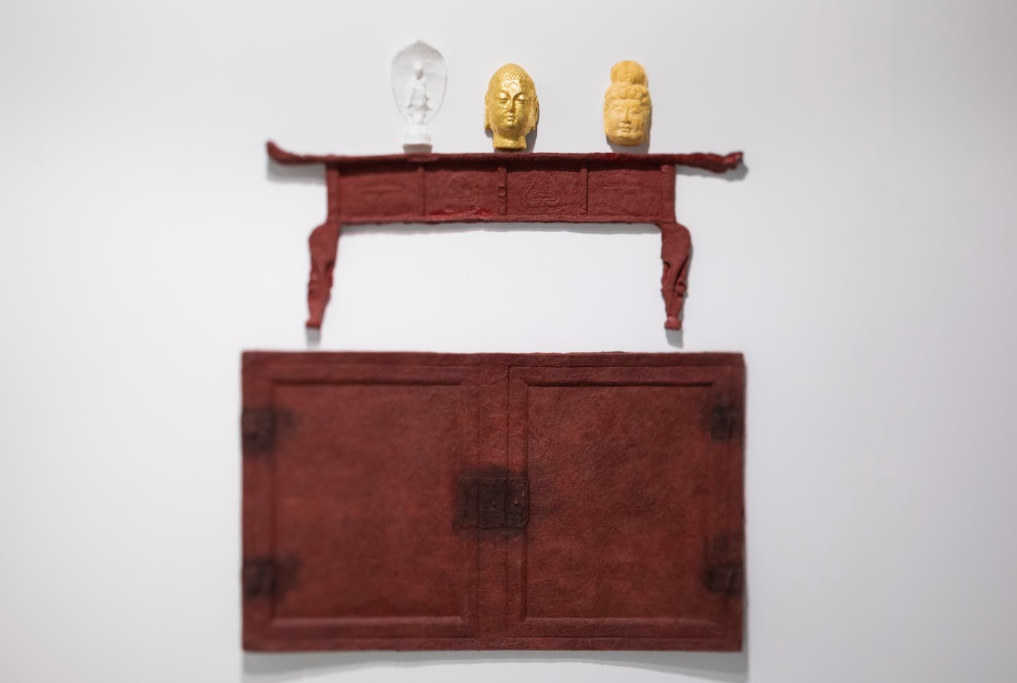
Buddhist sculptural forms in both gold and stone-like hues, floating multicolor moon jars evocative of classical porcelain dalhangari (달항아리), and even fragments of bandaji (반닫이) chest furniture all adorn the gallery floors, walls, and ceilings, alongside the artist’s bojagi (보자기) wrapping cloth textile works that feature the same traditional natural dyes.
The exhibition also highlights those traditional natural colors derived from plant- and mineral-based pigments that are applied to hanji without obscuring the underlying material qualities. Lee’s works, based on more than 40 years of study and conservation research, are thus elevated visually as they convey the richness of Korea’s distinctive color palette and its aesthetic sensibility.
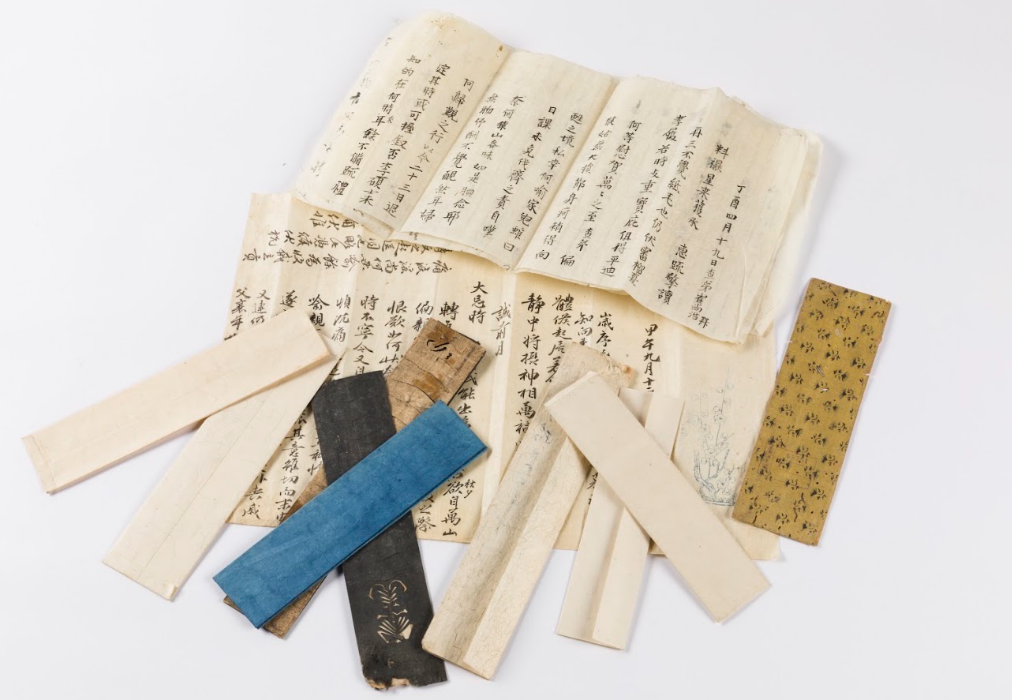
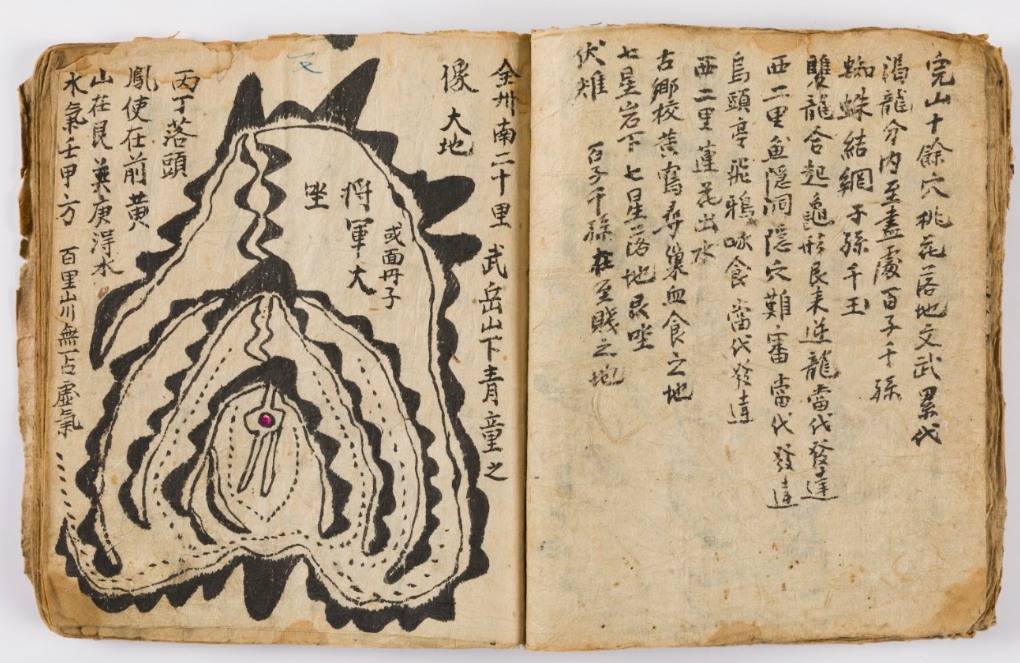
Also presented in the exhibition are historical examples of hanji collected by the artist over many years, including books and official papers that trace their roots back to Korea’s ancient Joseon Dynasty, offering visitors a broader understanding of hanji’s history and cultural significance.
For centuries in Korea, hanji was far more than mere paper for writing—it was used in architecture, handicrafts, painting, preservation, and the creation of everyday objects with great utility, while also serving as one of Korea’s most enduring cultural heritage materials. Renowned for its distinctive texture, durability, and textured, expressive qualities, hanji continues to inspire contemporary artistic practices. In recent years, its cultural significance and traditional craftsmanship have also gained international recognition.
On a deeper level, Lee’s hanji works explore the distant origins of Korea’s traditional culture and visual language. As he researches the material qualities of hanji, Lee reinterprets iconic Korean cultural forms like the Bodhisattva of wisdom or moon jar, both revered through the ages for their beauty and majesty.
Rather than simply reproducing such revered forms from Korea’s cultural heritage, Lee uses hanji—a material shaped by centuries of history and tradition—to reawaken the historical significance of these cultural icons.
Hanji: Embracing Color launches with a pre-opening reception on Wednesday August 19, from 6:00 p.m. to 8:00 p.m. (registration required), including brief remarks by featured artist Lee Seung-chul followed by a self-guided exhibition tour. For more, visit the KCCDC website.
About the Exhibition
Hanji: Embracing Color explores the enduring legacy of hanji and traditional Korean natural colors through the works of artist Lee Seung-chul. Bringing together hanji sculpture, natural dye works, and hanji relics, the exhibition examines how traditional materials continue to shape contemporary artistic practice.
Artist Lee Seung-chul has studied hanji and natural colors for more than 40 years. His work does not simply copy traditional forms; rather, he focuses on the essential qualities of tradition and transforms them into a contemporary visual language. Through his works, viewers can experience the beauty of Korean nature, history, and daily life in a new way.
About the Artist
LEE Seung-chul is an artist who expands traditional Korean art materials into the language of contemporary art. For over three decades, he has researched hanji, traditional Korean paper, and natural dyeing, exploring the material qualities, passage of time, and color transformations inherent in natural materials. Rather than simply reproducing tradition, he investigates how hanji and natural pigments change, accumulate, and endure over time, visualizing ideas of preservation and loss, memory, and continuity.
His work is grounded in extensive research on color reconstruction and material experimentation developed through cultural heritage conservation. Lee has also contributed to international forums on the diversity and future of hanji, with presentations and programs at institutions including the Cité internationale des arts in Paris, the Louvre Museum, ICPAL in Rome, the Vatican Museums, and Fabriano, Italy. His practice brings together research, education, and artistic production.
Images (full resolution available upon request)
|
|
Lee Seung-chul | Hanji Buddha Handmade hanji, natural dyes | Lee Seung-chul | A Thousand Buddhas Handmade hanji, natural dyes |
|
|
Lee Seung-chul | Moon Ja Handmade hanji, natural dyes, fabric, gold leaf, lacquer | Lee Seung-chul | Bandaji Chest Handmade hanji, natural dyes |
|
|
Hanji relics (Daehoji paper used in the national exam) | Hanji relics (Book) |
The Korean Cultural Center Washington, D.C. at the Embassy of the Republic of Korea is dedicated to strengthening Korea-US ties through a broad variety of public programs, including art exhibitions, performances, educational outreach, institutional partnerships, networking, and support for local events in the Capital area. The center is located at 2370 Massachusetts Ave. NW, Washington, D.C. 20008 and is currently open to visitors Monday through Friday, 10:00 a.m. – noon and 1:00 – 5:00 p.m. (no appointment necessary). To learn more and plan a visit, go to http://washingtondc.korean-culture.org.

 Facebook
 X
X
 YouTube
 Flickr
 Instagram
